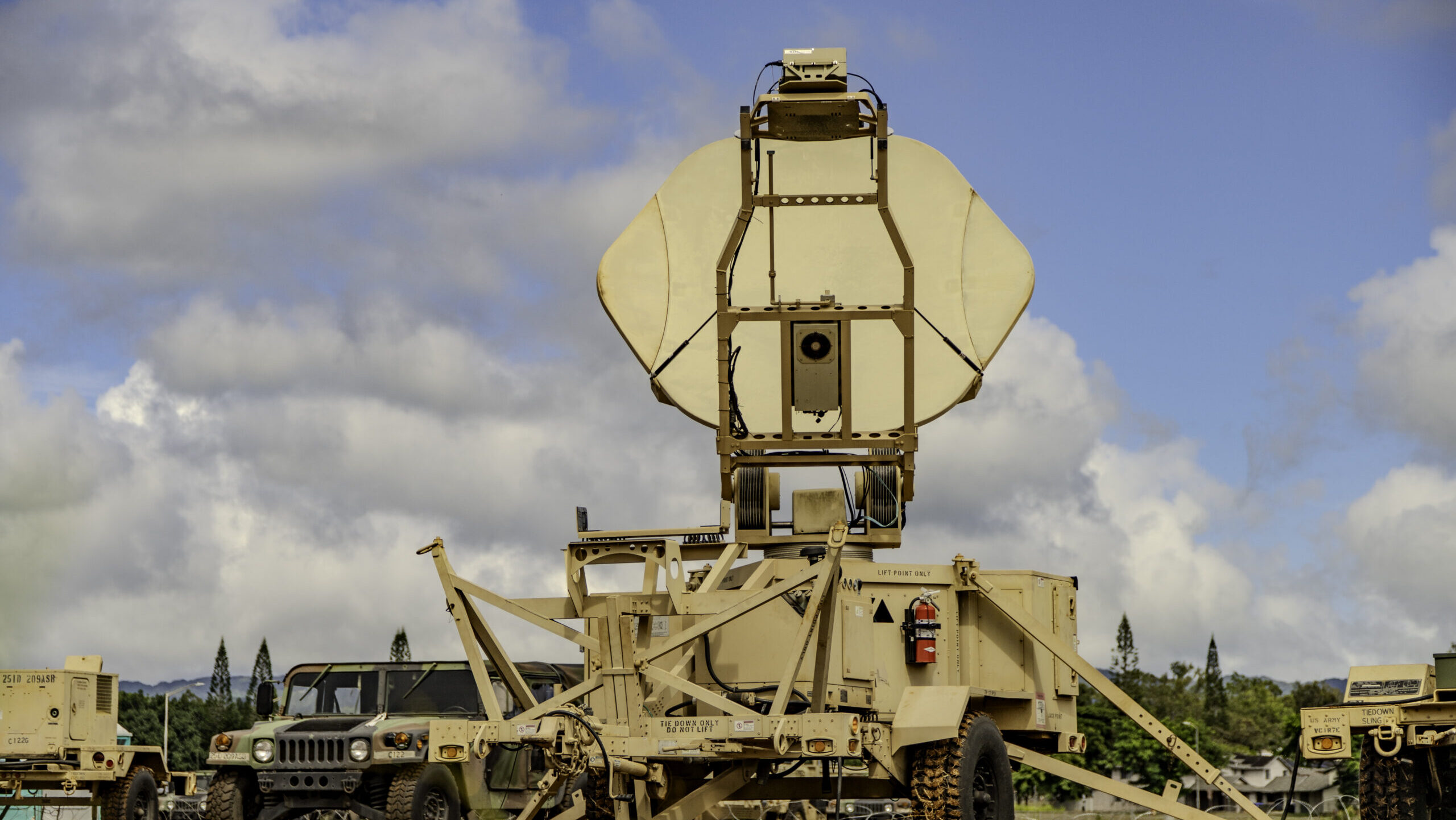
The push: Col. Joe Mroszczyk of Army Space and Missile Defense Command's TID-SS says the Army wants ground-based capability to directly "engage" adversary surveillance satellites, framing it as an extension of land forces delivering effects across domains, following US Space Command's push for space superiority.
The constraints: Kinetic anti-satellite strikes are ruled out under US policy against creating long-lived debris, pointing the Army toward non-kinetic directed-energy weapons like lasers (to dazzle optical/infrared sensors) and high-power microwaves (to disrupt synthetic aperture radar), which SPACECOM's Lt. Gen. Rick Zellmann favours for low cost-per-shot.
Stratospheric warfare: The Army is also expanding high-altitude balloon experimentation, seen as closer to fielding than fragile fixed-wing platforms, with funding in the FY27 budget for an initial capability and interest in launching drones from balloons to extend payload reach into contested battlespace.
Army gears up to ‘engage’ enemy surveillance satellites